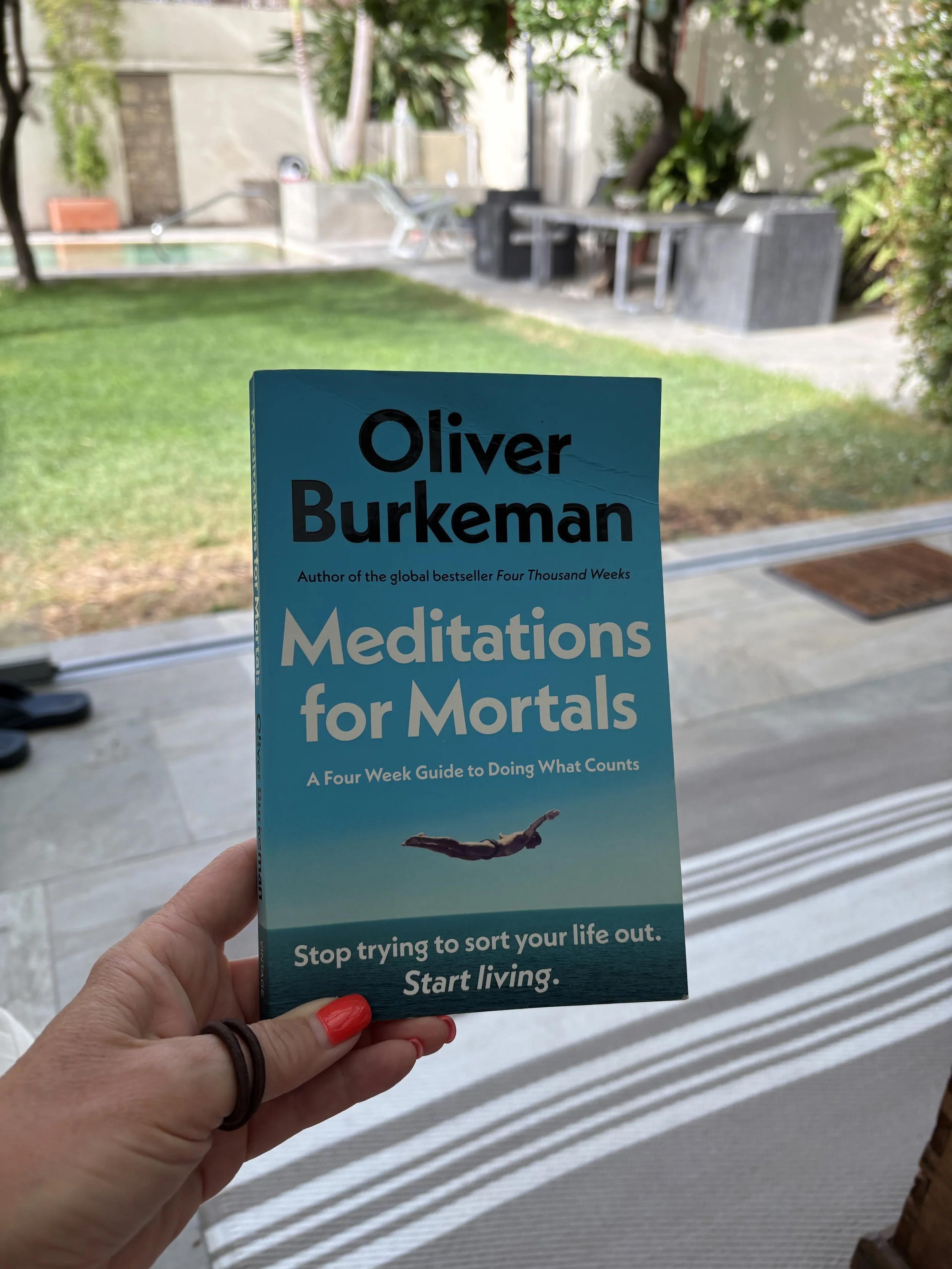
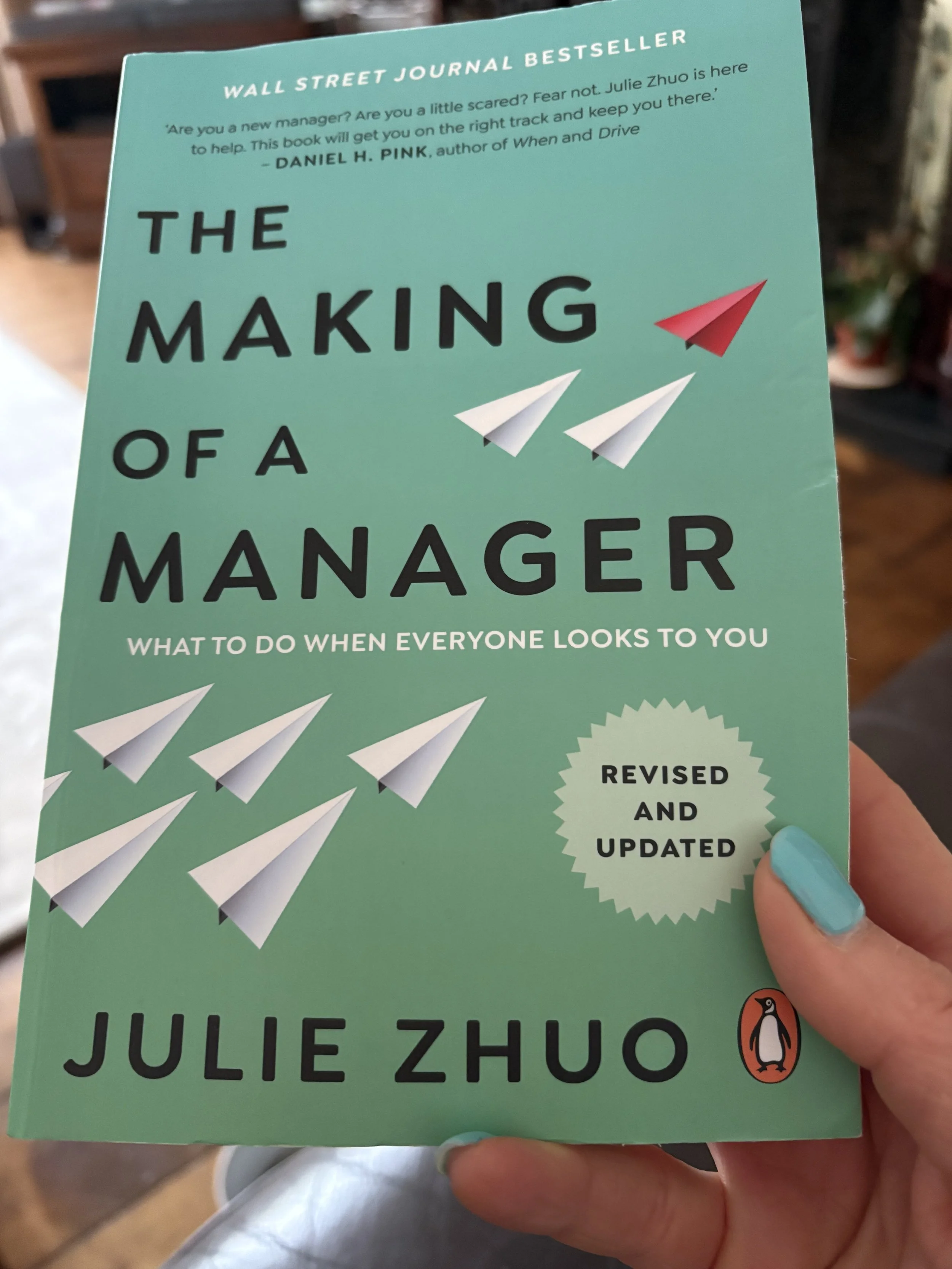
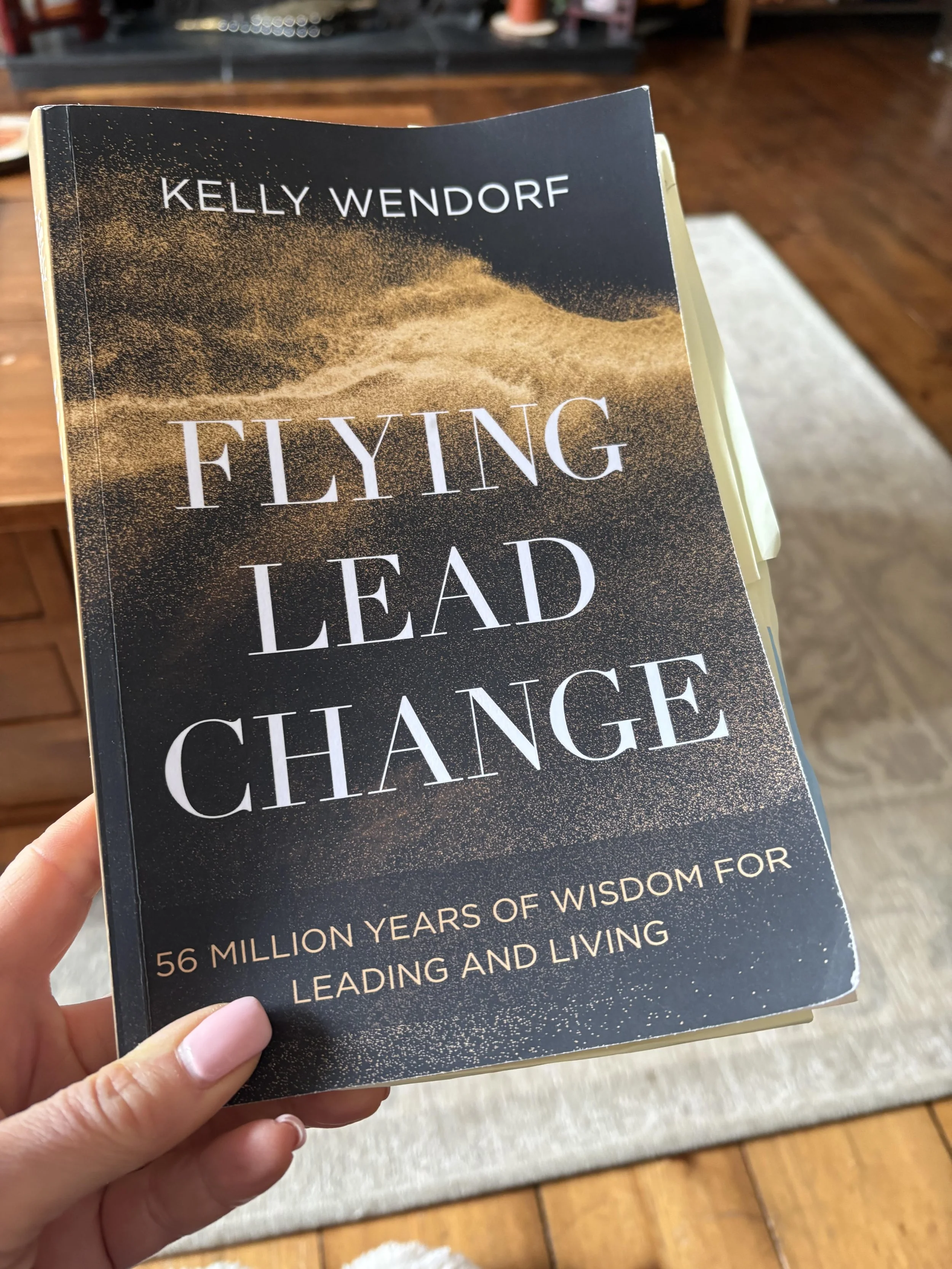
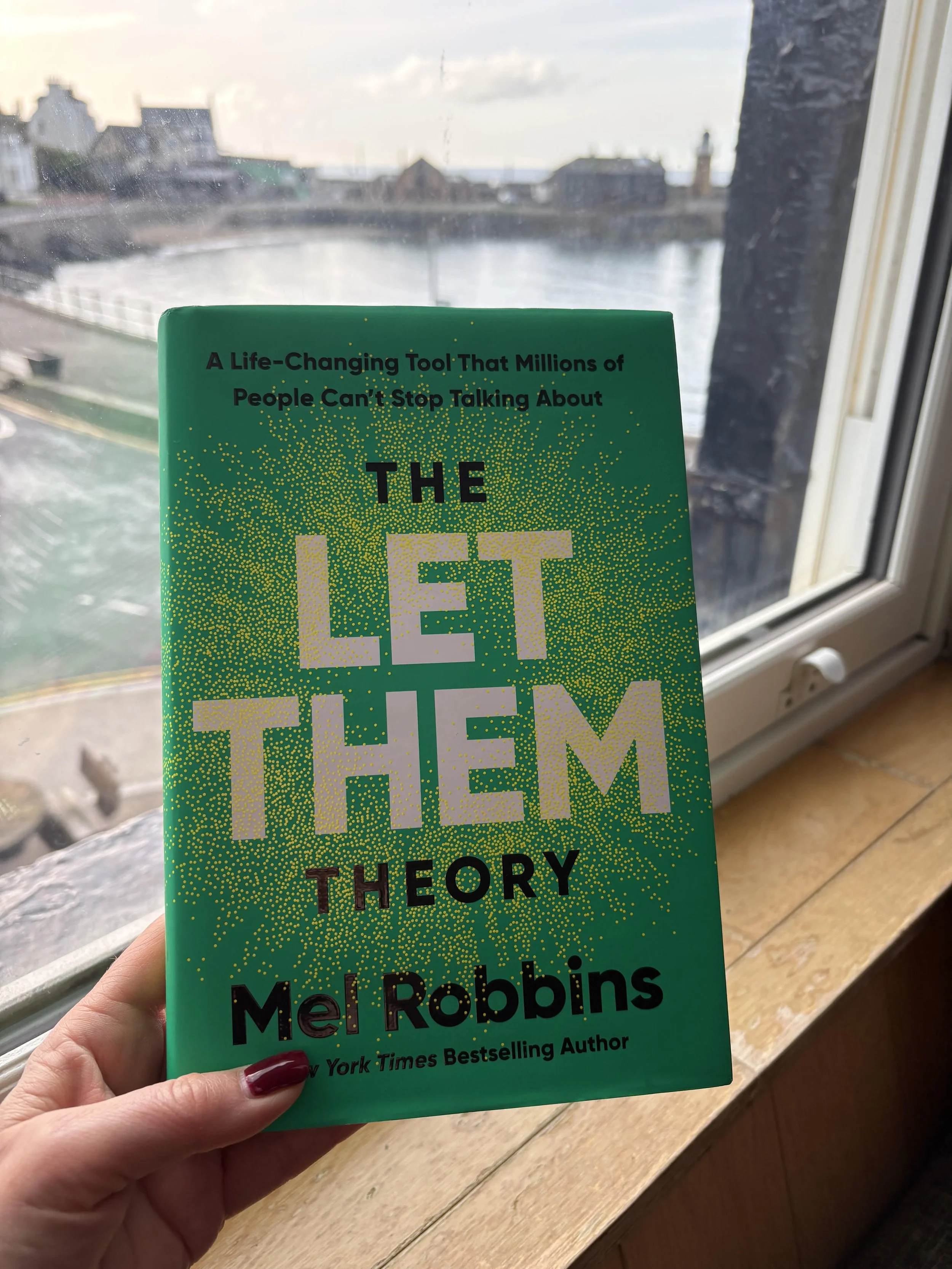
Resources.
In this blog, we're diving deep into why mastering these tricky talks isn't just a good idea, it's essential for any leader who wants to build a thriving team and a successful business.
Let's face it, we often shy away from these conversations because they feel uncomfortable. We might worry about hurting feelings, causing conflict, or just making things awkward. But what happens when we don't have them? The elephant (that everyone can see) just keeps getting bigger!
When there is “drama” in the workplace, it can take its toll on you as the leader as well as for everyone involved.
I have recently been working with a leader who seemed to be consumed by the need to blame his team for everything that was going wrong. Although, following his rants on what they were not doing, he openly revealed that his answer to this was to step in to the role of “fixer” to make the problem go away. It reminded me of Karpman’s Drama Triangle and so I thought I would share a little more about it in this month’s blog and share some self-reflection questions for you to work through.
We've all been there. That nagging feeling of wanting to try something new, but being held back by a wall of "what ifs." The comfort zone, while cosy, can be a creativity killer and a progress blocker. So, how do we break free?
Many people believe that confidence is the key. "If only I were more confident, I could do that!" they say. Others argue for competence: "Once I know how to do it perfectly, I'll take the plunge." But what if we're looking at it all wrong? What if the real catalyst is something else entirely?
Enter: Courage.
When done well, delegation transforms a leader from a bottleneck to a catalyst, fostering growth, boosting morale, and freeing up valuable time for strategic thinking. What’s not to love? Just think about all the untapped potential that you can ‘uncork’ by taking a different approach and involving others.
Step up and own your actions
The teachers at my high school, always said that our school motto should have been “It wasnae me”, given the number of things that happened that nobody would own up to having done.
In the dynamic world of leadership, where communication is often paramount, the power of silence can be a surprisingly effective tool. While many leaders may feel compelled to fill every moment with words, strategically placed silence can create space for deeper reflection, connection, and influence.
Now that the chatter about this book has quietened, I wanted to offer my perspective as this book has not been without its critics. Its been cited, amongst other things, as an oversimplification. To me, the book’s simplicity is its strength, and I’d love to explain why.
Don’t worry, I’m not going to overshare and tell you about specific areas of poor leadership and complex personal relationships that this has helped me with. I am going to pull out the key takeaways and address some of the criticisms I have read.
In an age where burnout is rapidly becoming the norm and digital life demands more from us than ever before, it’s no surprise that a phrase as simple as “let them” has captured the world’s attention. Mel Robbins’ The Let Them Theory, which has sold more than eight million copies globally, has struck a cultural nerve, topping international bestseller lists including The Sunday Times, The New York Times, Amazon and Audible.
What began as a viral TikTok concept evolved into a structured psychological framework, now explored in depth in Robbins’ bestselling book. The theory invites us to interrupt our instinct to manage, influence or interpret other people’s behaviour and instead reclaim our own emotional power.
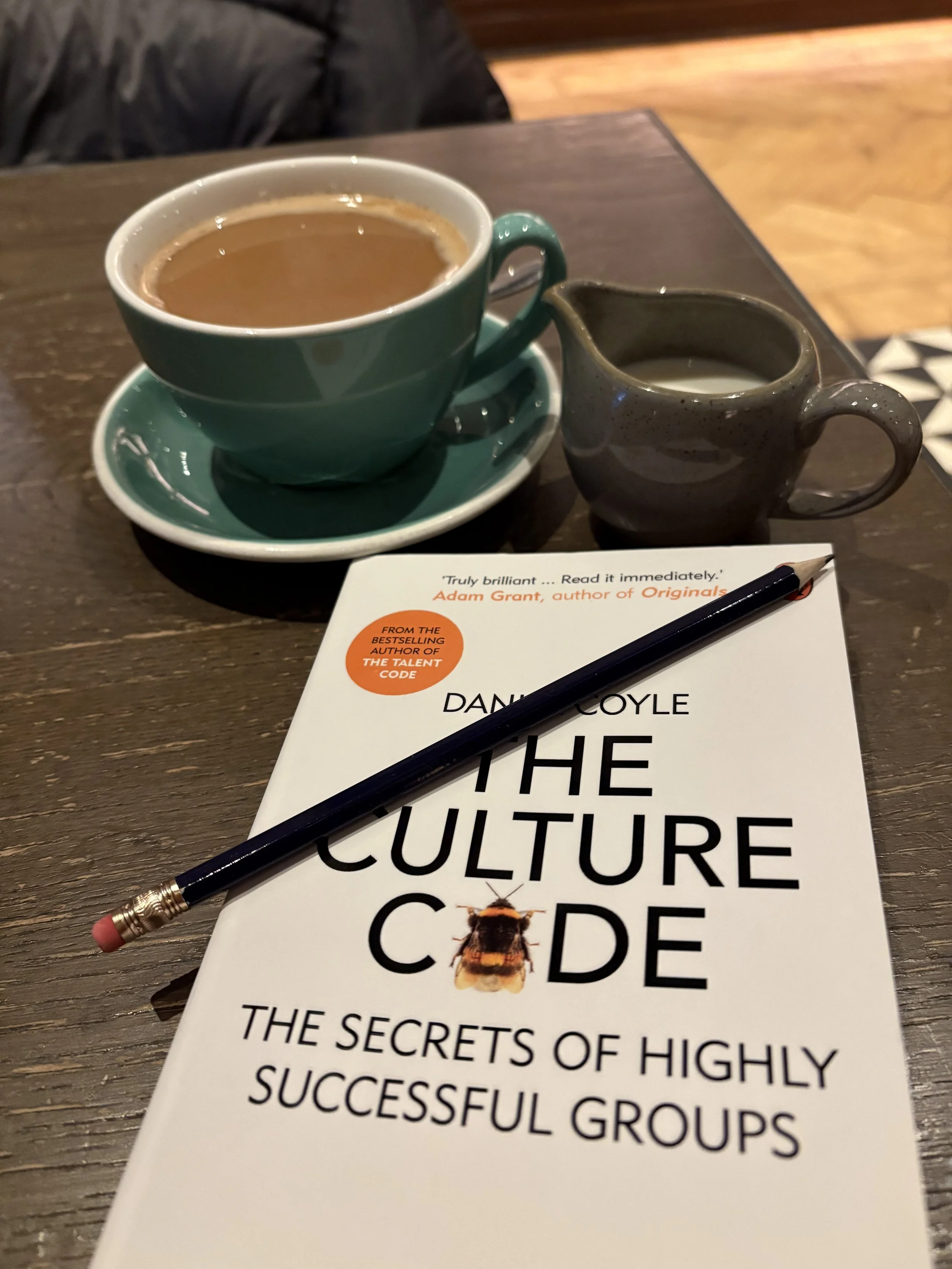
You’ll likely have heard the “Culture eats strategy for breakfast” quote from Peter Drucker, but just how do you shape up the right culture. Culture is undoubtedly one of the most important levers that a leader must aim to understand and build.
In The Culture Code, Daniel Coyle offers one of the clearest, most practical guides available on how leaders can intentionally shape environments where people collaborate deeply, speak up courageously and deliver exceptional results.
Ferrazzi captured my interest straight away when he wrote about his admiration of Five Dysfunctions and then made me realise that this “classic” is perhaps out of date for our new world of work, after all it was written about 20 years ago and so much has changed since then.
In a workplace transformed by hybrid models, rapid change, and rising burnout, Never Lead Alone arrives as a timely and necessary reframe. Ferrazzi doesn’t just update leadership—he starts to reinvent it. The book speaks directly to the challenges of distributed teams, cross-functional collaboration, and the emotional toll of modern work. It’s not about managing from the top anymore; it’s about co-elevating from within.
You’re in back-to-back meetings, juggling stakeholder demands, trying to coach your team while staying strategic. You know you’re capable—but something’s getting in the way. What if the problem isn’t your skillset, but your mindset?
James Clear's Atomic Habits has quickly cemented itself as a modern classic in the realm of personal development and behavioural psychology. At its core, the book makes a compelling argument: small habits are the building blocks of monumental change. Drawing from both academic research and personal anecdotes, Clear creates a blueprint for sustainable self-improvement that’s as practical as it is inspiring.
Years ago, Arianna Huffington’s Thrive made its quiet way onto my bookshelf. I remember admiring its premise—challenging the idea that success could be measured only by money and power—but life at the time, in all its velocity, didn’t leave much room to live those insights.
29th May 2025 12.00 - 13.00 GMT
Have you recently inherited a team? They're doing ok but something just isn't gelling. Your spidey senses are telling you that they could be way better, particularly if they would learn to trust each other. Imagine the impact that would have on the culture and business!
Whether you are new to leadership or an experienced manager, you are not alone! High performing teams don’t happen by chance – they’re built intentionally.
This month’s FREE BOMA session will give you practical tools to move the performance of your team.
Book via Eventbrite link below:
20th November 2024
12.00 - 13.00 GMT
You know that tumbleweed moment when you ask your team for feedback and the silence is deafening. How do you get them to speak up and share their thoughts? Building trust and working with others to get results takes skill.
Sign up for our Trust. Talk. Thrive. session and help your team speak up with confidence.
19th December 2024
12.00 - 13.00 GMT
You’ve just been promoted, or you've been doing your job for a while and you're waiting to be told it was all a big mistake. What's driving the negative self-talk, and how do you learn to approach situations with more confidence?
Sign up for our You're Worth It. session and start building your own sense of confidence.
24th January 2025
12.00 - 13.00 GMT
Everything on your desk is urgent, and you have no time to stop and think. In this session, we will review 10 components to creating a ‘Thinking Environment’ and consider how to make it part of our everyday work practice.
Sign up for our Time To Think. session and learn how to create time and space to maximise your potential.
28th February 2025
12.00 - 13.00 GMT
There are just not enough hours in the day, so how do you maintain your vitality? Whatever stage you are at in your leadership career you cannot control time, so how do you make sure you are at peak leadership fitness?
Sign up for our Peak Performance Leadership session and learn how to protect and nurture your energy.
25th April 2025 12.00 - 13.00 GMT
We all appreciate the flexibility of hybrid working, but as a leader how do you engage with your team now you don't see them every day? Leading online was new to us all a few years ago, but it looks like it's here to stay.
Sign up for our I'm Virtually A Leader Now. session and sharpen your remote leadership skills.
Sign up for six BOMA Sessions.
To gain access to the sessions you would like to attend, you will need to book each session individually.
Your pass must be used within a year of purchase.
Sign up for 12 BOMA Sessions.
To gain access to the sessions you would like to attend, you will need to book each session individually.
Your pass must be used within 18 months of purchase.
25th February 2026 12:00 - 13:00 GMT
Google’s Project Aristotle found that the highest performing teams had one thing in common: Psychological safety.
Not comfort.
Not niceness.
Not avoiding conflict.
But the ability to learn, experiment, and fail well.
We’ve all heard about “why” psychological safety is so important but have you learned enough about “how” to build it in to your teams and workplace?
In this workshop, we’ll break down:
The Learning Zone vs Anxiety Zone
Why “mistake‑making” is a sign of a healthy team
How to frame work as an experiment
Practical habits that build a learning culture
If you want to turn theory into action, this session gives you the tools.
Sign up for FREE via the Eventbrite link:
https://www.eventbrite.co.uk/e/brave-teams-better-work-tickets-1981563080516?aff=oddtdtcreator